
Should I Panic Yet? What About Now? Real talk about hurricane prediction and emotional burnout.
- Sarah Lux
- Aug 11, 2025
- 4 min read

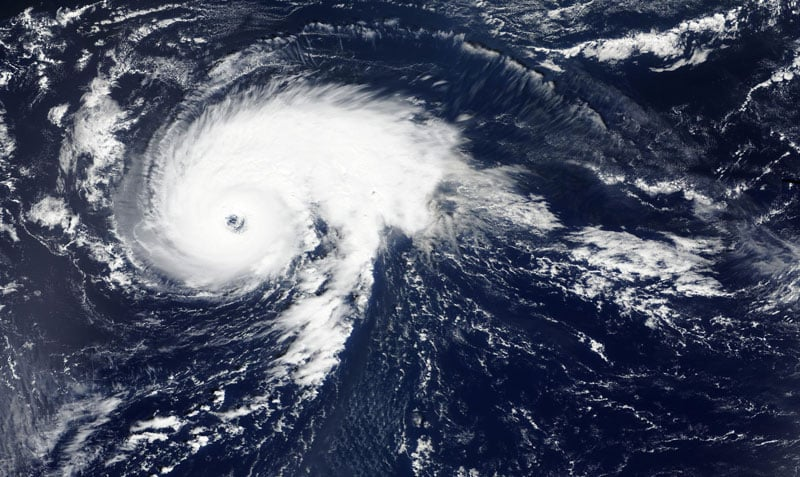
As a Public Information Officer who's spent hurricane season after hurricane watching communities navigate the emotional rollercoaster of storm preparation, I want to have an honest conversation about something we don't discuss enough: the delicate balance between appropriate caution and paralyzing panic when a hurricane is more than five days out.
When meteorologists first identify a potential threat, we start dealing with what I call the "cone of chaos." That familiar hurricane cone represents hundreds of possible scenarios, each with vastly different implications for your community. The storm could strengthen into a monster Category 4, or it could weaken to a tropical storm. It might take a sharp turn north, or it could wobble south at the last minute.
Here's what I need you to understand: this uncertainty is normal, not a failure of science. The atmosphere is incredibly complex, and even our most sophisticated models can't account for every variable 10, 15 days in advance. What feels like meteorological indecision is honest reporting of genuine uncertainty.
And yet, the media and social media urge people residing in hurricane zones to begin panicking well before a sharpened prediction is available. A few days ago, I saw a meteorologist post a “time frame” for a predicted storm 14 days out that looked as though it would make direct impact into Florida. Now, still 10 days or more out from any genuine chance at impact, people are beginning to feel antsy about a storm they’ve been “warned” about for 14 days that is “most likely” going to hit Florida’s east coast head-on…
…Or is it? Probably not. Below, I’ve put the most up-to-date modeling for the same storm. Most models agree – this storm will spin north before making impact with any landmass.

This is precisely why I encourage measured preparation rather than panic once we hit the five-day mark. Use this time for thoughtful, methodical preparation, not frantic grocery store runs, or sleepless nights glued to weather updates. Check your supplies, review your plans, and stay informed, but resist the urge to catastrophize every model run. Any earlier, and you may find yourself sitting with rotting hurricane supplies and frustration.
Perhaps the most exasperating challenge we PIOs face is "preparation fatigue." I've watched it happen season after season: a community experiences several close calls or false alarms, and suddenly people become dismissive of future warnings. They've emotionally exhausted themselves preparing for storms that ultimately missed them, and now they're reluctant to take the next threat seriously.
This creates a heartbreaking paradox for those of us tasked with keeping communities safe. We issue warnings because we care about your well-being, but we know that each warning, whether the storm materializes or not, depletes our community’s emotional reserves a little more. When we see people becoming cavalier about storm threats because they're burned out from previous seasons, it keeps us awake at night.
The most dangerous mindset I encounter is: "They said Hurricane X would hit us directly, and it didn't, so I'm not preparing this time." This thinking treats hurricane forecasting like a pass/fail test rather than understanding it as probability management. A storm that misses you by 50 miles didn't make the forecast "wrong” …it made you lucky.
From my perspective, every hurricane season feels like threading a needle. We need to convey urgency without creating panic, provide information without overwhelming people, and maintain credibility while acknowledging uncertainty. When preparation fatigue sets in, that needle becomes nearly impossible to thread.
What's especially challenging is watching people make decisions based on their emotional response to previous seasons rather than the current threat. Hurricane anxiety is exhausting, and it’s human nature to protect ourselves from repeated stress. But as someone whose job is to help keep people safe, it's incredibly difficult to watch communities become complacent because they're emotionally drained.
We PIOs aren't trying to create anxiety or drive panic buying. We're trying to give you the information you need to make informed decisions about your safety. When people tune us out because they're burned out from previous storms, it makes our job exponentially harder and potentially puts lives at risk.
The solution isn't to stop preparing or to exhaust yourself with frantic 10-day preparations. Instead, I encourage a different approach: steady, season-long readiness that protects both your physical safety and emotional well-being. I suggest we stop looking at Hurricane Season as “waiting for the one big bad” and instead reframe it as Hurricane Preparation Season that turns preparedness into a marathon instead of a sprint.
So, what SHOULD you do?
Try this: dedicate just one hour each weekend during hurricane season to preparation tasks. One Saturday, trim tree branches that could threaten your home. The next weekend, add a flashlight and batteries to your emergency kit. During your regular grocery trips, pick up one or two non-perishable items for your hurricane supplies.
This approach accomplishes several things. It spreads the financial burden of preparation across months rather than forcing expensive panic-buying when a storm threatens. It makes preparation feel manageable rather than overwhelming. Most importantly, it gives you confidence that you're ready without requiring the emotional intensity of last-minute scrambling.
When you've been preparing gradually all season, that 10-day, even five-day, forecast becomes much less stressful. You can focus on final preparations and decision-making rather than starting from scratch in a panic.
Hurricane season will always involve uncertainty and anxiety; that's the nature of the beast. But by preparing throughout the season and understanding the limitations of forecasts, we can face these storms with appropriate caution rather than debilitating fear.


Comments